Oregano

Oregano

Product Description:

Varieties

There are a number of subspecies, e.g. O vulgare hirtum (Greek Oregano), O vulgare gracile, as well as cultivars, each with distinct flavours.1

[edit] Uses

[edit] Culinary
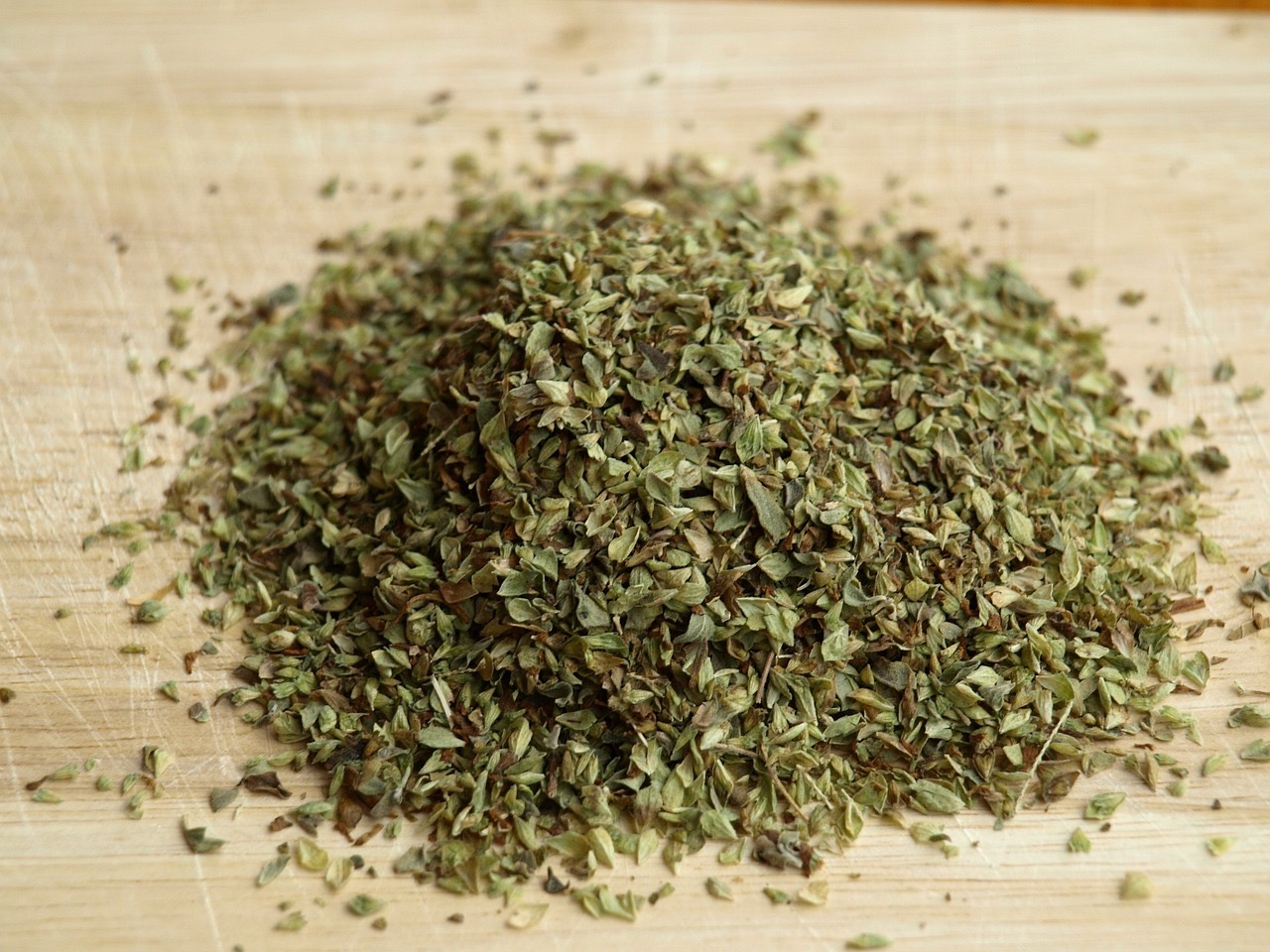
Dried oregano for culinary use.
Oregano growing in a field.

Oregano is an important culinary herb. It is particularly widely used in Turkish, Greek, Spanish and in Italian cuisine. It is the leaves that are used in cooking, and the dried herb is often more flavourful than the fresh.2

Oregano3 is often used in tomato sauces, fried vegetables, and grilled meat. Together with basil, it contributes much to the distinctive character of many Italian dishes.

It is commonly used by local chefs in southern Philippines when boiling carabao or cow meat to eliminate the odor of the meat, and to add a nice, spicy flavor.

Oregano combines nicely with pickled olives, capers, and lovage leaves. Unlike most Italian herbs,[citation needed] oregano works with hot and spicy food, which is popular in southern Italy.

Oregano is an indispensable ingredient in Greek cuisine. Oregano adds flavor to Greek salad and is usually added to the lemon-olive oil sauce that accompanies many fish or meat barbecues and some casseroles.

In Turkish Cuisine, oregano is mostly used for flavoring meat, especially for mutton and lambs meat. In barbecue and kebab restaurants, it can be usually found on table, together with paprika, salt and pepper.
Oregano growing in a pot.

It has an aromatic, warm and slightly bitter taste. It varies in intensity; good quality oregano is so strong that it almost numbs the tongue, but the cultivars adapted to colder climates have often unsatisfactory flavor. The influence of climate, season and soil on the composition of the essential oil is greater than the difference between the various species.

The related species Origanum onites (Greece, Asia Minor) and O. heracleoticum (Italy, Balkan peninsula, West Asia) have similar flavors. A closely related plant is marjoram from Asia Minor, which, however, differs significantly in taste, because phenolic compounds are missing in its essential oil. Some breeds show a flavor intermediate between oregano and marjoram.

Pizza

The dish most commonly associated with oregano is pizza. Its variations have probably been eaten in Southern Italy for centuries. Oregano became popular in the US when returning WW2 soldiers brought back with them a taste for the “pizza herb”.4


View All Products


Product content provided by Produce Oasis
Quality Produce